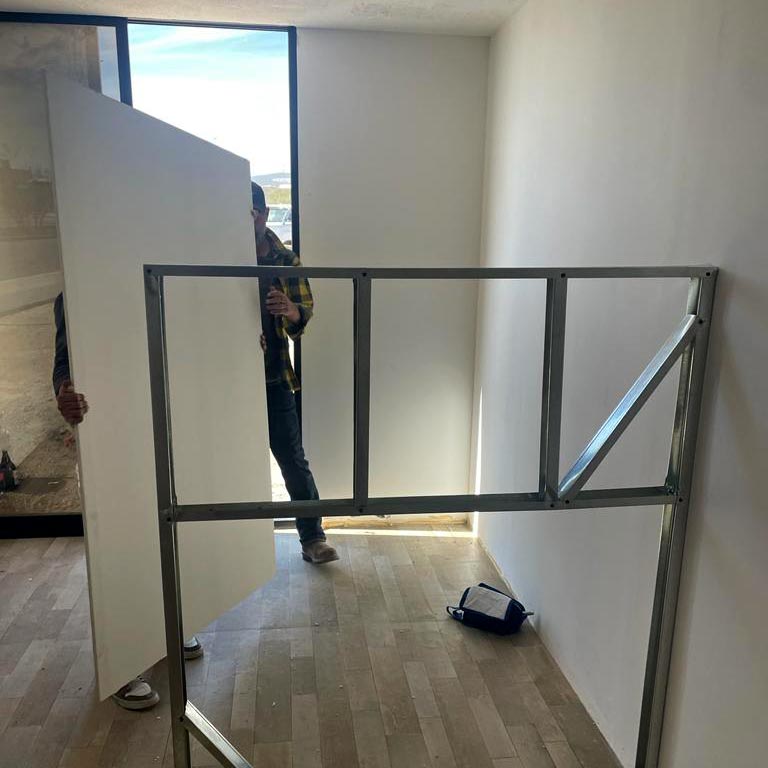
Prefabricated
Prefabricated modules for construction are an increasingly popular solution for builders.
This modern technology offers a range of benefits, from increased efficiency to enhanced safety.
These modules are constructed in a factory and then transported to the construction site for installation.
This means that builders can save time and money by building a structure more quickly and safely.
Benefits
- Time Savings: Prefabricated modules for construction are manufactured in a factory, meaning the construction process is much faster than traditional methods. This allows construction owners to save time and money by using prefabricated modules.
- Cost Savings: Prefabricated modules for construction are cheaper than traditional construction methods. This means construction owners can save money when building with prefabricated modules.
- Increased Safety: Prefabricated modules are made in a factory, ensuring that the construction process is much safer than traditional methods. This guarantees that construction owners can be confident their buildings will be safe and made with high-quality materials.
- Increased Durability: Prefabricated modules are made with high-quality materials, making them more durable than traditional construction methods. This ensures that construction owners can count on their buildings lasting for a long time.
- Greater Flexibility: Prefabricated modules can be designed and manufactured to fit any space. This allows construction owners to build their structures exactly as they desire.
- Less Waste: Since prefabricated modules are made in a factory, there is less waste compared to traditional construction methods. This helps construction owners save money.
- Increased Efficiency: Prefabricated modules are produced in a factory, making the construction process much more efficient than traditional methods. This enables construction owners to save time and money.
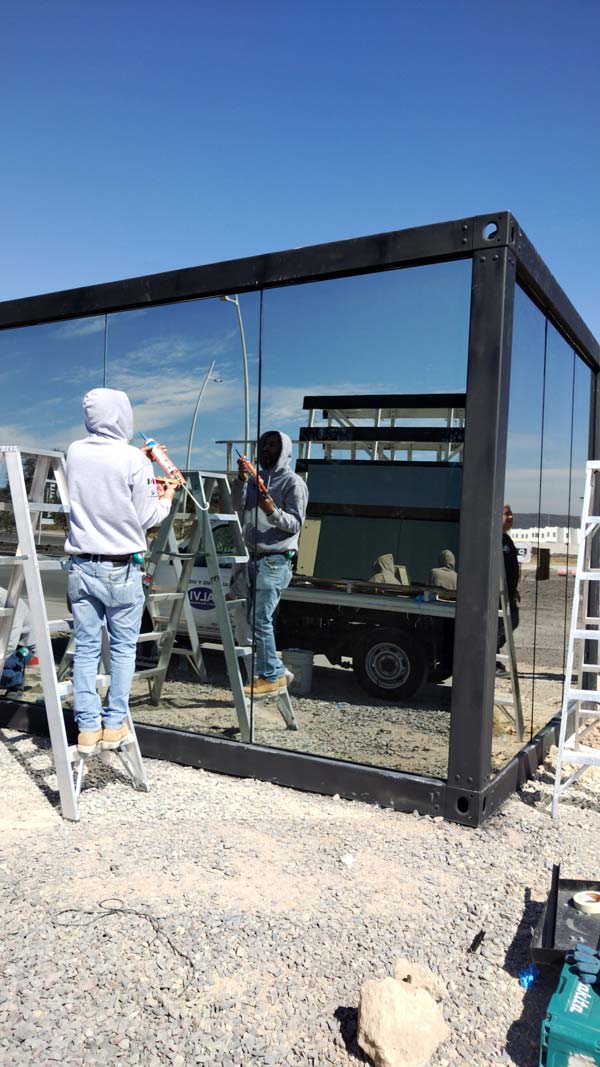

What Are the Characteristics of a Prefabricated Module?
A prefabricated module is a structure built off-site, typically in a factory. These structures are made with durable materials such as steel, aluminum, and wood. They are designed to be easily transported and assembled at the destination site. Prefabricated modules are known for their fast installation, as they can be assembled in a fraction of the time it would take to build a structure from scratch. Additionally, prefabricated modules are more cost-effective than traditional construction.
What is the Price per Square Meter for Prefabricated Modules?
It varies. The price per square meter of prefabricated modules depends on the material, quality, and size.
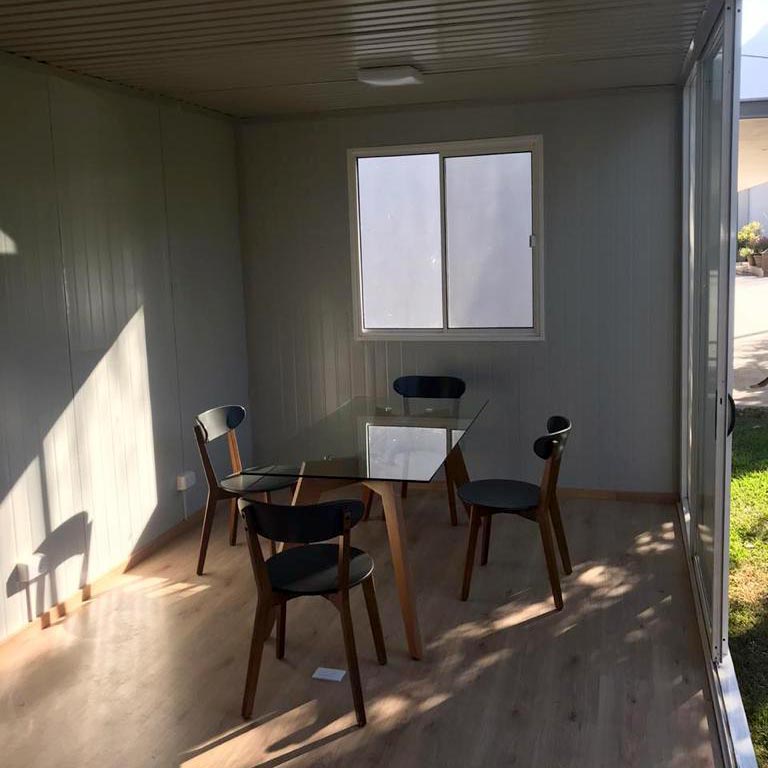
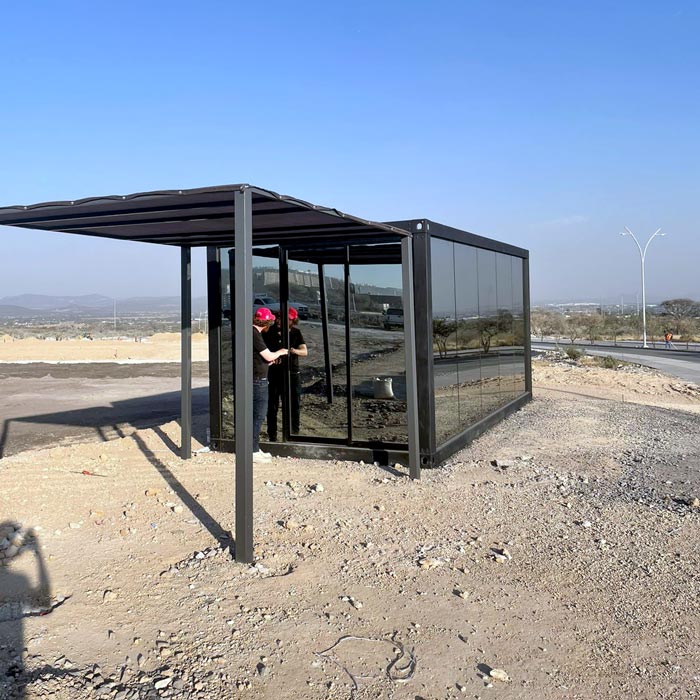
What Are the Differences Between Traditional and Prefabricated Systems?
The traditional system involves constructing a structure from scratch, while the prefabricated system uses pre-made components to build a structure. The traditional system is more expensive and time-consuming, while the prefabricated system is faster and more economical. The traditional system requires more labor, whereas the prefabricated system requires less. The traditional system is more flexible, while the prefabricated system is more standardized.
What is the Size of a Prefabricated Module?
The size of a prefabricated module depends on the application. They can be as small as a single office or as large as a multi-story building.
Prefabricated modules for construction offer a range of benefits that make them an attractive option for builders. These modules are quicker to install, safer, more cost- and energy-efficient, and more environmentally friendly than traditional construction methods. These benefits make prefabricated modules an excellent choice for builders looking to construct efficiently and sustainably. Prefabrication is a modern construction method that offers many advantages for builders. These include faster installation, greater safety, increased efficiency in terms of cost and energy, and enhanced sustainability. These advantages make prefabricated modules an excellent option for those seeking to build efficiently and sustainably.